

Thai amulets are not simply decorative objects; they are meaningful symbols of faith that connect individuals to Buddhism, sacred rituals,
Wand the unseen spiritual world. For many Thai people, wearing an amulet is a personal expression of belief, a source of comfort, and a reminder of moral values that guide daily life. The Spiritual Foundation of Thai Amulets The belief in amulets in Thailand is influenced by a blend of Theravada Buddhism, Brahmanism, and ancient animist traditions. While Buddhism teaches self-reliance, mindfulness, and the law of karma, local beliefs also recognize the presence of spiritual forces that can influence human life. Amulets serve as a bridge between these teachings and everyday experiences.

The Spiritual Foundation of Thai Amulets
Monks and revered spiritual masters play.
a key role in creating and blessing amulets. Through chanting, meditation, and sacred rituals, they are believed to imbue these objects with protective and beneficial energy. However, many believers emphasize that the true power of an amulet lies not only in the ritual but also in the wearer’s faith and ethical behavior.
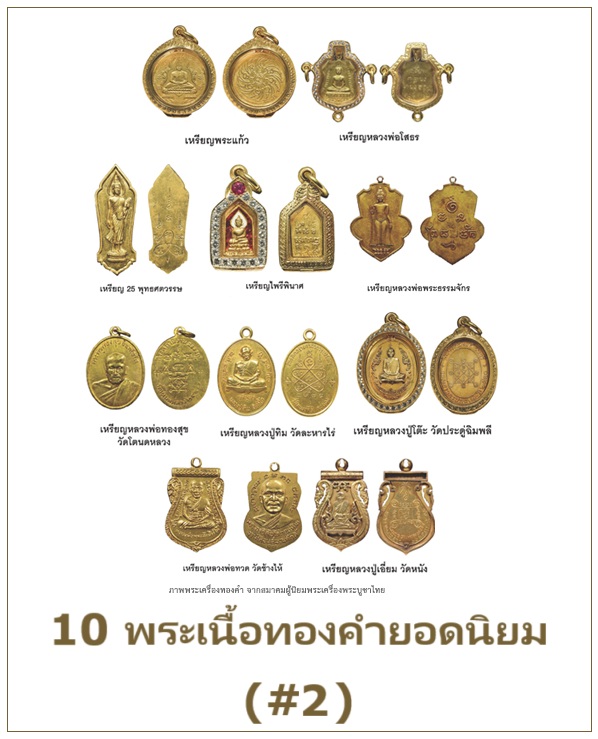
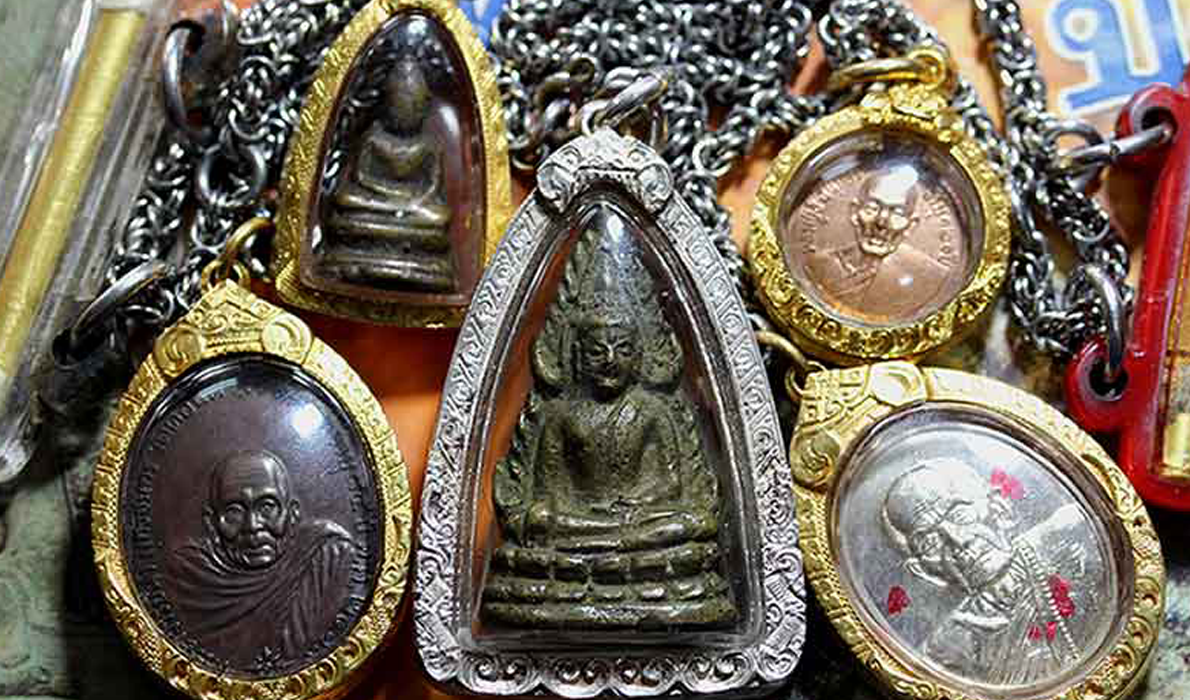
Types of Amulets and Their Meanings Thai amulets come in many forms, each associated with specific intentions. Some of the most common types include Buddha images, monk portraits, and talismans inscribed with sacred scripts known as yantra. Each design carries symbolic meaning and spiritual purpose. For example, Buddha amulets are often worn to inspire calmness, wisdom, and mindfulness. Amulets depicting famous monks are believed to carry the virtues and blessings of those individuals. Yantra amulets, with their geometric patterns and ancient scripts, are associated with protection, luck, and spiritual balance.
Faith and Personal Conduct

A central aspect of Thai amulet belief is the connection.
between spiritual power and personal conduct. Many people believe that an amulet’s effectiveness depends on how the wearer lives their life. Practicing honesty, kindness, and generosity is thought to strengthen the amulet’s influence, while immoral behavior may weaken it.This idea aligns closely with Buddhist teachings on karma—the principle that actions have consequences. Amulets are therefore not seen as magical shortcuts to success but as reminders to live ethically and mindfully. They encourage self-discipline and awareness, reinforcing positive behavior.
Daily Life and Cultural Practice.
In Thailand, amulets are commonly worn around the neck, often placed in protective casings. Some people carry them in their pockets, keep them in their cars for safe travel, or place them in homes and workplaces for blessings and protection.
Amulets are also popular gifts, especially during important life events such as birthdays, graduations, or new jobs. Giving an amulet symbolizes care, protection, and good wishes for the recipient’s future. The presence of amulets in everyday life reflects how spiritual beliefs are seamlessly integrated into Thai culture. They are not reserved only for religious occasions but are part of daily routines and personal identity.
Rituals and Respect.
Wearing an amulet involves certain cultural practices and respect. For example, amulets are typically worn above the waist, as the lower part of the body is considered less sacred in Thai culture. People are also expected to treat amulets with care, avoiding placing them in inappropriate locations. Some individuals follow specific guidelines after receiving an amulet, such as reciting prayers or adhering to moral precepts. These practices reinforce the spiritual connection between the wearer and the amulet. In traditional settings, receiving an amulet from a respected monk is considered a meaningful and often emotional experience. It is not just a transaction but a moment of spiritual connection and blessing. The Amulet Market and Modern Influence.
FIn modern Thailand, the amulet market has grown significantly, attracting collectors, enthusiasts, and tourists. Certain rare or historically significant amulets can reach high values, reflecting both their spiritual and cultural importance.
The Amulet Market and Modern Influence
Beyond Superstition.
In modern Thailand, the amulet market has grown significantly, attracting collectors, enthusiasts, and tourists. Certain rare or historically significant amulets can reach high values, reflecting both their spiritual and cultural importance. However, alongside commercialization, there is ongoing discussion about maintaining authenticity and respect for the tradition. Many experienced collectors and practitioners stress the importance of understanding the meaning and origin of an amulet rather than focusing solely on its monetary value. Despite these changes, the core belief remains strong. For many Thai people, amulets continue to represent faith, protection, and a connection to something greater than themselves.
Sawasdee! I’m a freelance writer dedicated to uncovering the vibrant soul of Thailand. From the bustling streets of Bangkok to hidden cultural gems and local culinary wonders, I craft engaging stories that bring the Thai experience to life.
All author postsRelated posts
-
The Sanctuary of Truth, Pattaya, Thailand.
The Sanctuary of Truth is one of Thailand’s most extraordinary architectural and cultural landmarks.
-
Wat Ban Rai and Luang Phor Koon.
Wat Ban Rai is one of the most well-known and spiritually significant temples in northeastern.
-
Popular Thai Yantra Tattoo Designs Worldwide.
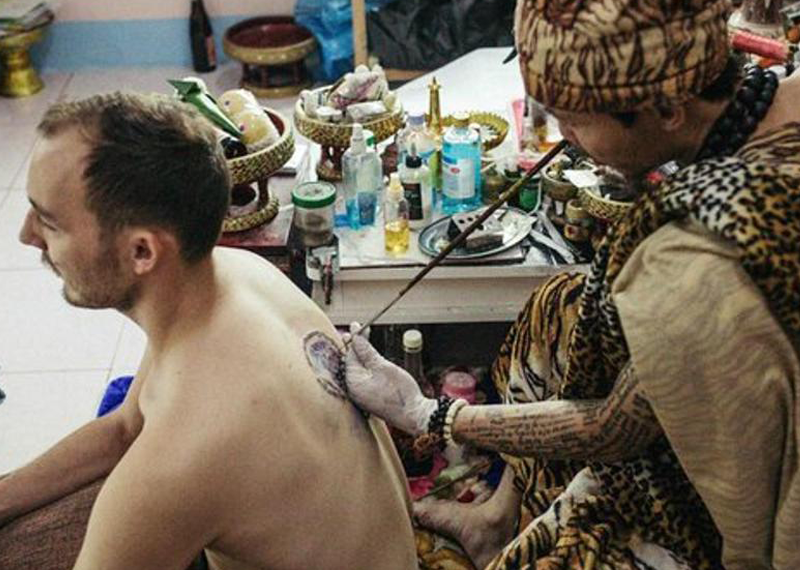
Thai Yantra tattoos, commonly known as Sak Yant, are sacred geometric designs deeply rooted in Buddhist.


4 Comments
-
Herman Miller Reply17 July 2020, 6:05 PM
Lorem ipsum is simply dummy text of the printing and typesetting industry. Lorem ipsum has been the industry's standard dummy text ever since the make book.
-
Wilbur Haddock Reply18 July 2020, 10:19 PM
Lorem ipsum is simply dummy text of the printing and typesetting industry. Lorem ipsum has been the industry's standard dummy text ever since.
-
Colene Landin Reply18 July 2020, 12:39 PM
Lorem ipsum is simply dummy text of the printing and typesetting industry. Ipsum has been the industry's standard dummy text.
-
-
 Mongkon Kasamsuk Reply19 July 2025, 8:25 PM
Lorem ipsum is simply dummy text of the printing and typesetting industry. Lorem ipsum has been the industry's standard dummy text ever since the make a type specimen book.
Write a comment